


Dynamic Access Logo Free Site Survey

UK Wide

Our nationwide team specialise in the maintenance, repair and refurbishment of commercial glazed building envelopes for commercial clients.

Expert Team

Highly experienced professionals, who over 28 years have built an outstanding reputation for specialist glazing solutions in difficult access areas.

Documented Work

Projects are documented photographically to visualise rectification works step by step so clients understand the glazing systems and future servicing needs.

Full Guarantee

We are one of few companies to offer Insurance Backed Guarantees, often requested by developers and large FM companies.

What’s the purpose of a Health and Safety glazing inspection?

We’re often asked to carry out health and safety glazing inspections to protect building occupants and the general public. Many building owners and other duty holders have duties under the Workplace (Health, Safety and Welfare) Regulations 1992. This regulation requires glazing to be safe or properly protected against breakage. Many building insurance policies also require regular glazing inspections and surveys. This applies especially to structures with glazed elements at height or overhead.

The Dynamic Access team will identify system defects and conduct a glazing condition survey as part of the inspection. This may reveal a variety of issues, including:

  • Causes of leaks, including failed drainage paths or weep routes
  • Missing or defective weather seals
  • Defective glazing, such as cracked panels or misted double-glazed units (failed IGUs)
  • EPDM gasketry in poor condition
  • Missing or defective fixings, such as pressure plates or cover caps
  • Failed perimeter seals or deteriorated structural silicone
  • Defective mechanisms
  • Insufficient glass isolation
  • Non-safety glass in critical locations, such as low-level glazing and glazed doors
  • Missing or inadequate manifestation markings on large glazed areas 

What does the Glazing Inspection report include?

Our surveyors assess the glazed structure and take a photographic record of any defects found. We compile the findings into a clear report that highlights each issue and recommends remedial steps. We flag urgent issues separately so they get immediate attention.

A typical report includes:

  • Site details and access method used
  • Photographic schedule of defects, with location references
  • Risk-rated defect list, including any urgent make-safe items
  • Failed or cracked glass and IGU schedule
  • Seal, gasket, fixing and pressure plate observations
  • Water ingress findings, where relevant
  • Recommended remedial works, in priority order
  • Costed proposal and planned maintenance advice

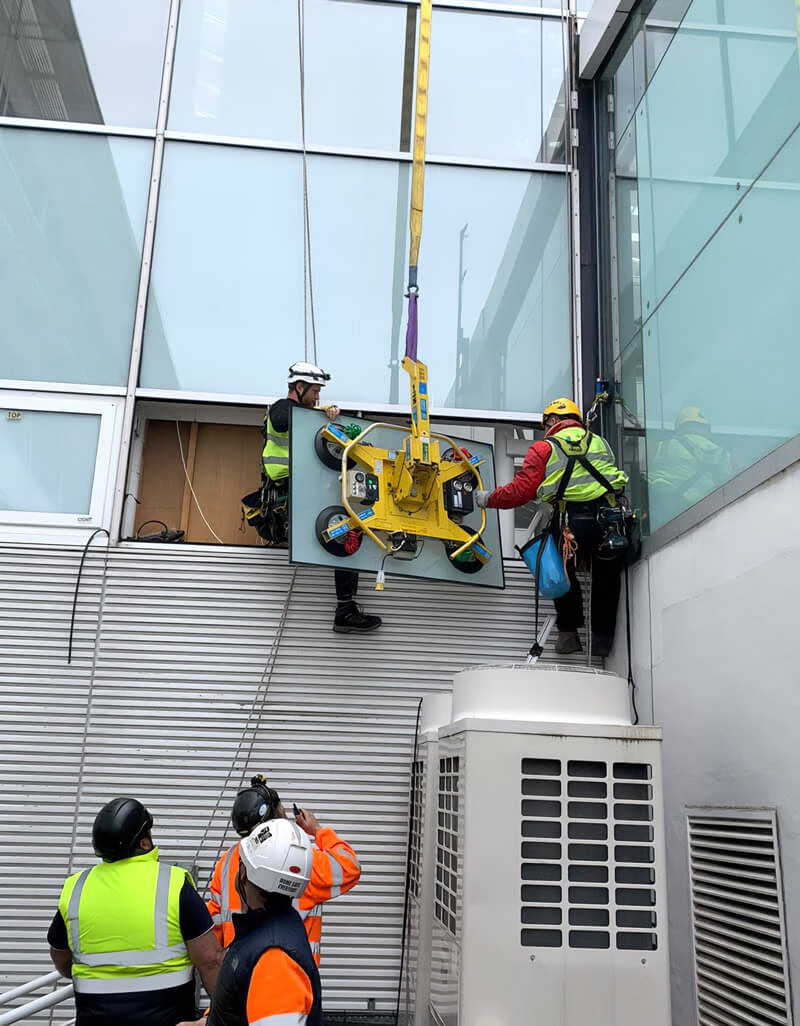
We can also arrange water testing and spot repairs during the same visit, where needed. Alongside glazing inspections and surveys, we can carry out remedial repairs ourselves, including leak repairs and gasket replacement. This saves you the inconvenience of dealing with multiple contractors, and our repairs come with an Insurance Backed Guarantee. Where remedial work is required, this may fall under wider construction health and safety regulations, such as CDM 2015.
Will you have to arrange an annual overhead glazing inspection?

We carry out annual glazing inspections and surveys for many commercial We carry out annual glazing inspections and surveys for many commercial clients. These cover a wide range of premises, including banks, schools, hospitals, hotels, shopping centres, offices, and retail outlets. At each visit, we assess the glazing systems and identify any defects or hazards. We then provide a report showing these defects and recommending remedial repairs.

Inspection frequency depends on several factors. These include the building’s height, age, footfall, and the terms set by your insurer. We inspect many commercial properties annually, though high-risk or older glazing may need more frequent checks.

Annual overhead glazing inspections help our clients maintain property safety year after year. They also support health and safety audits and show insurers that we manage risk effectively. Many clients use the same reports to inform tender scopes of work or planned maintenance budgets.

Which structures will we inspect?

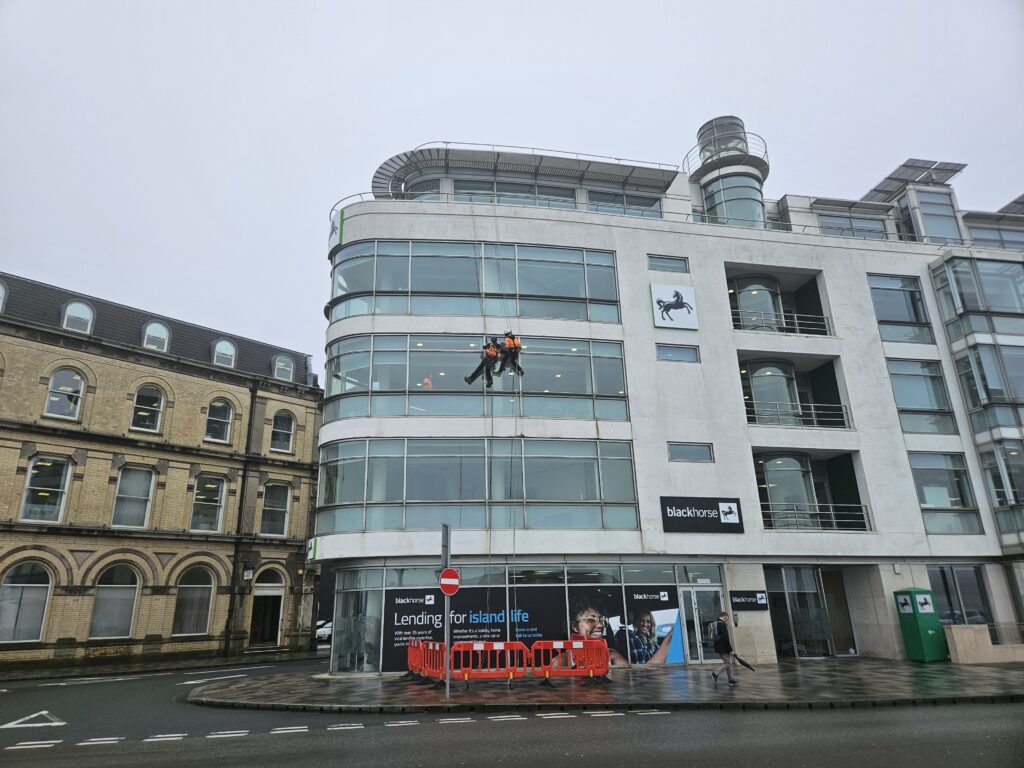
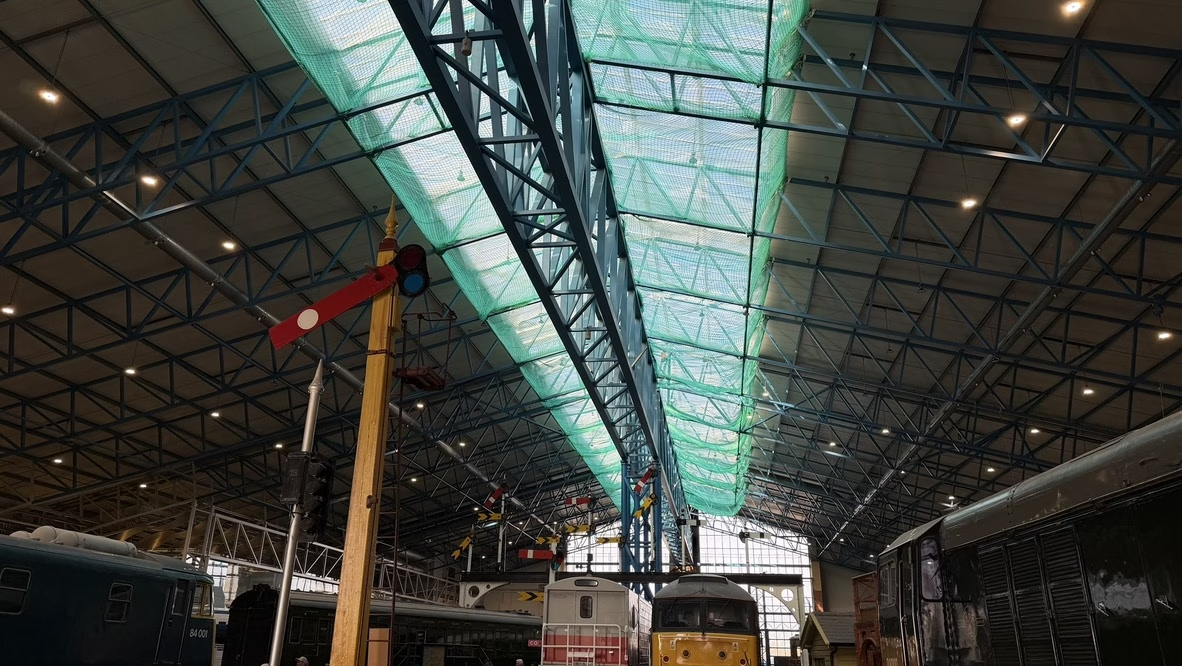
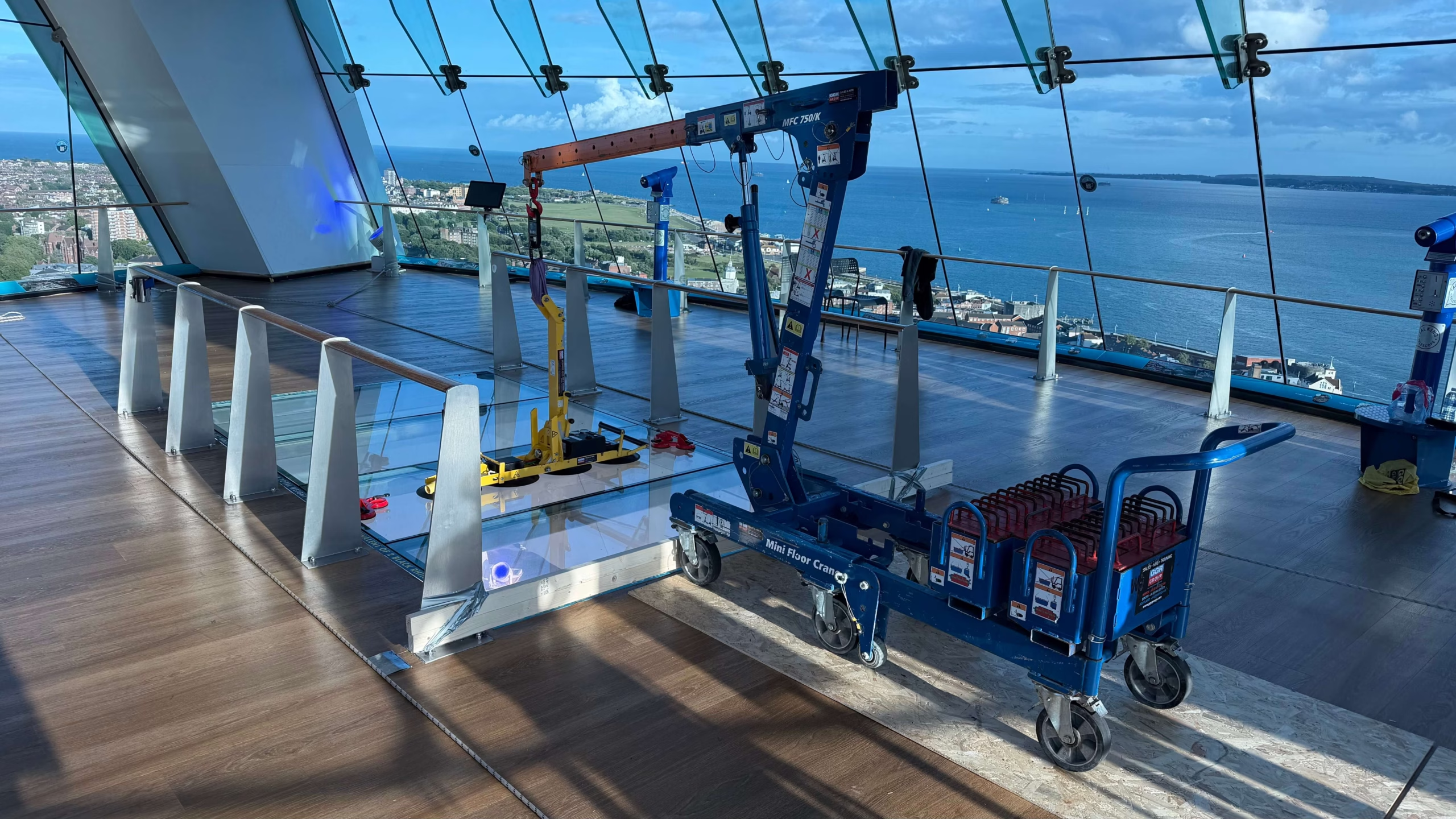
Working across the UK, our team inspects a wide range of structures. This includes overhead glazing, atriums, curtain wall facades, overhead canopies, skylights, rooflights, and windows. We also assess internal glazing such as balustrades and glazed screens, including point-fixed and structurally glazed systems. Before each inspection, we confirm the safest access method, taking height and location into account.

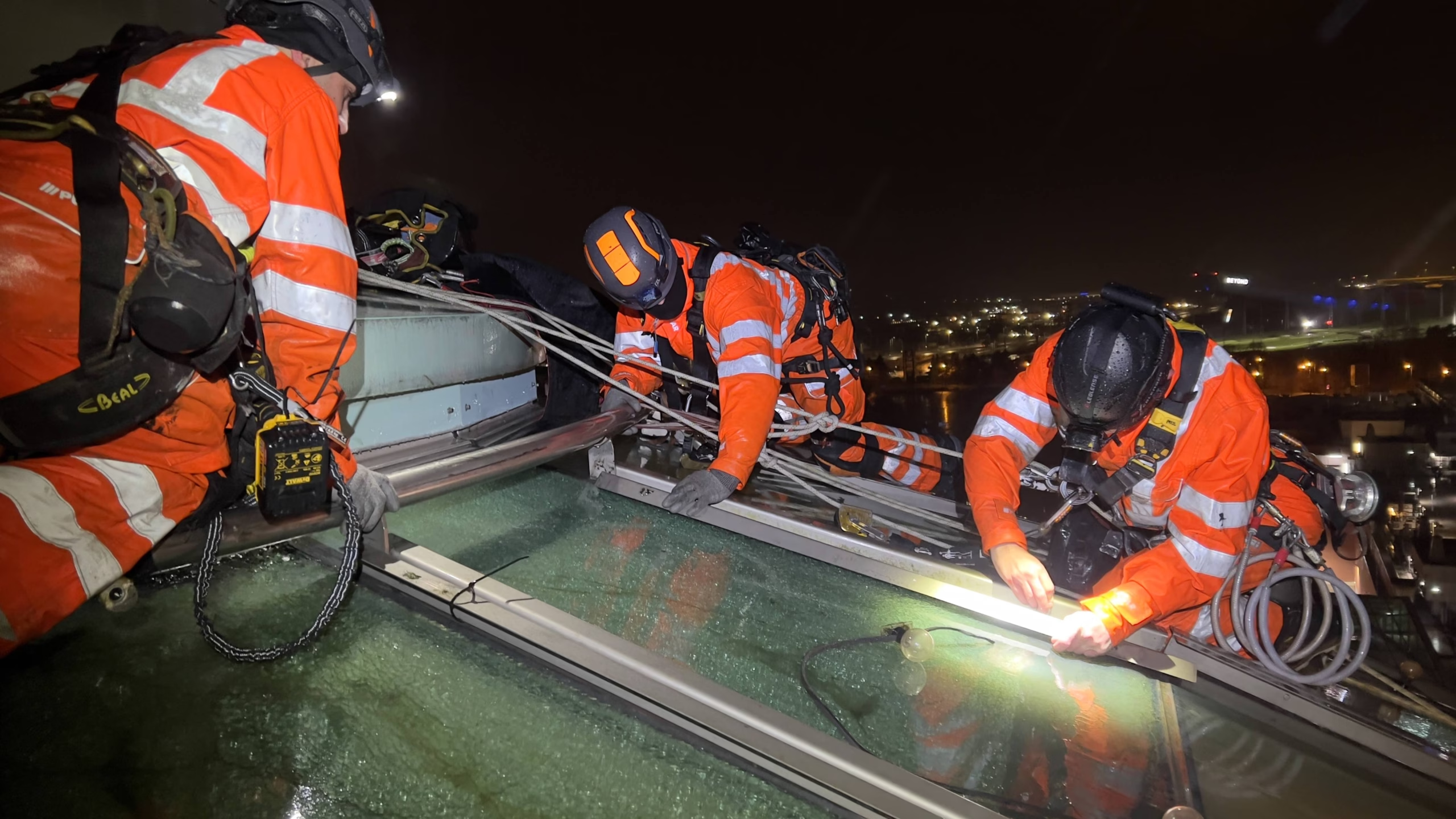
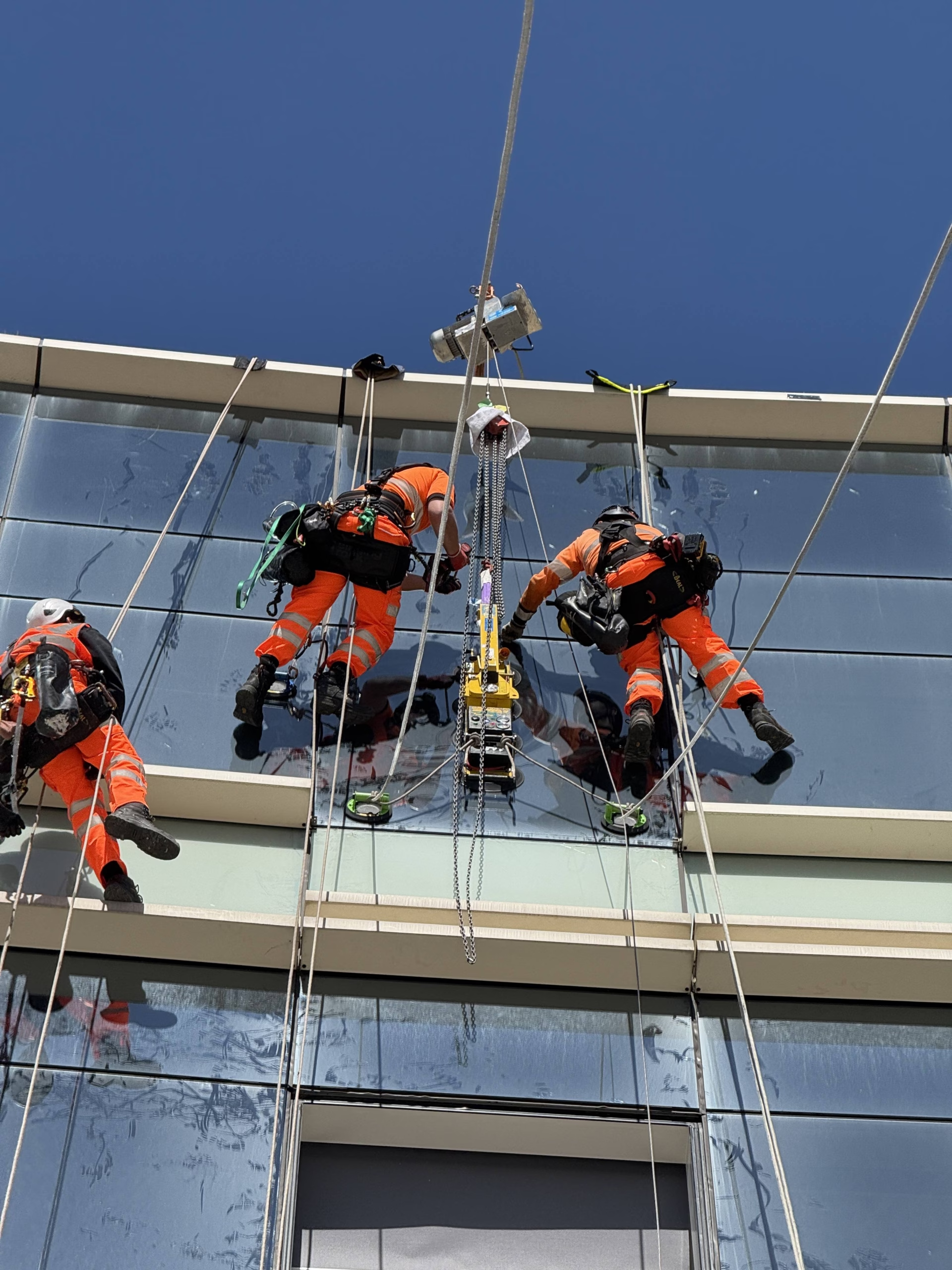
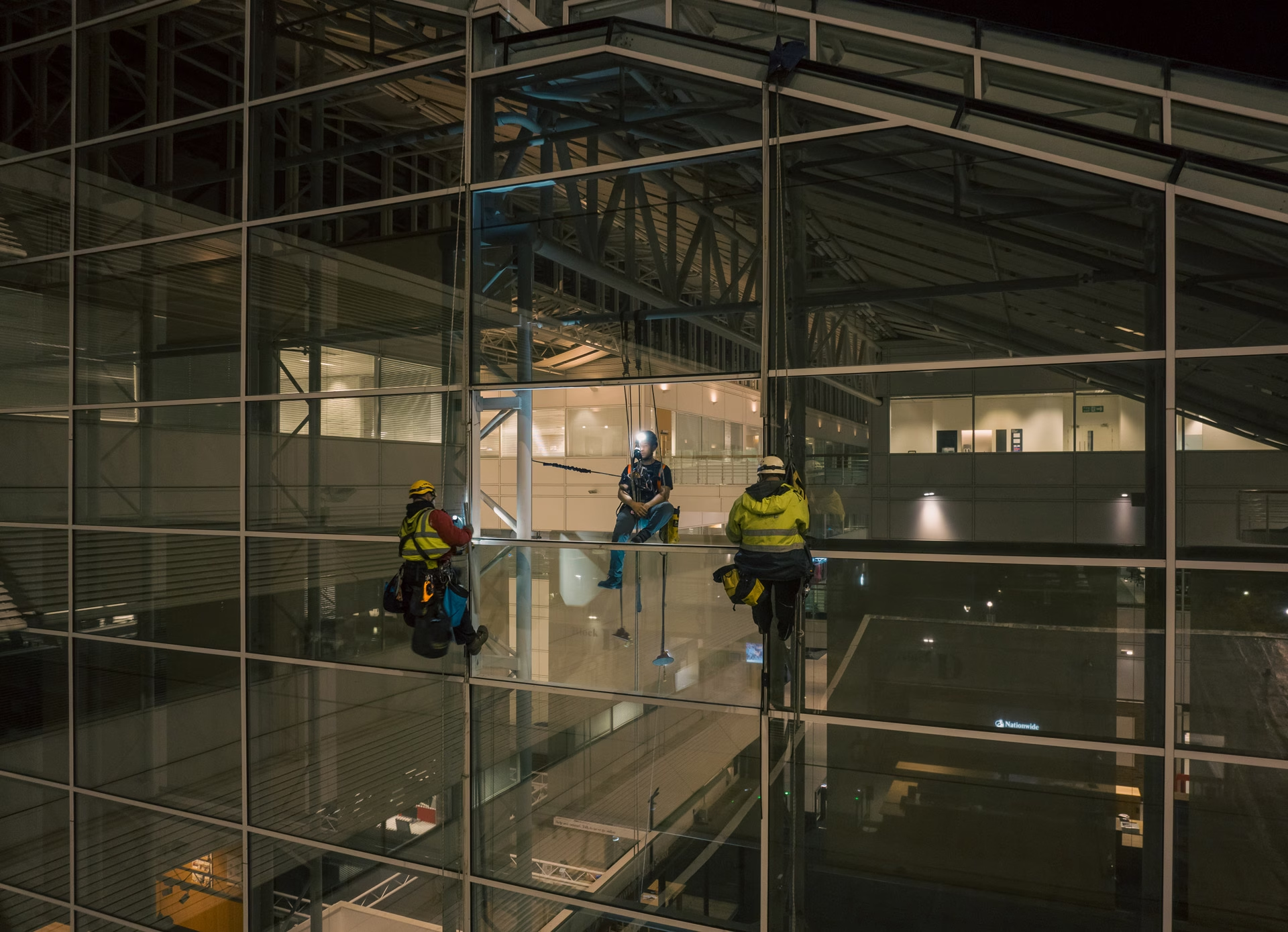
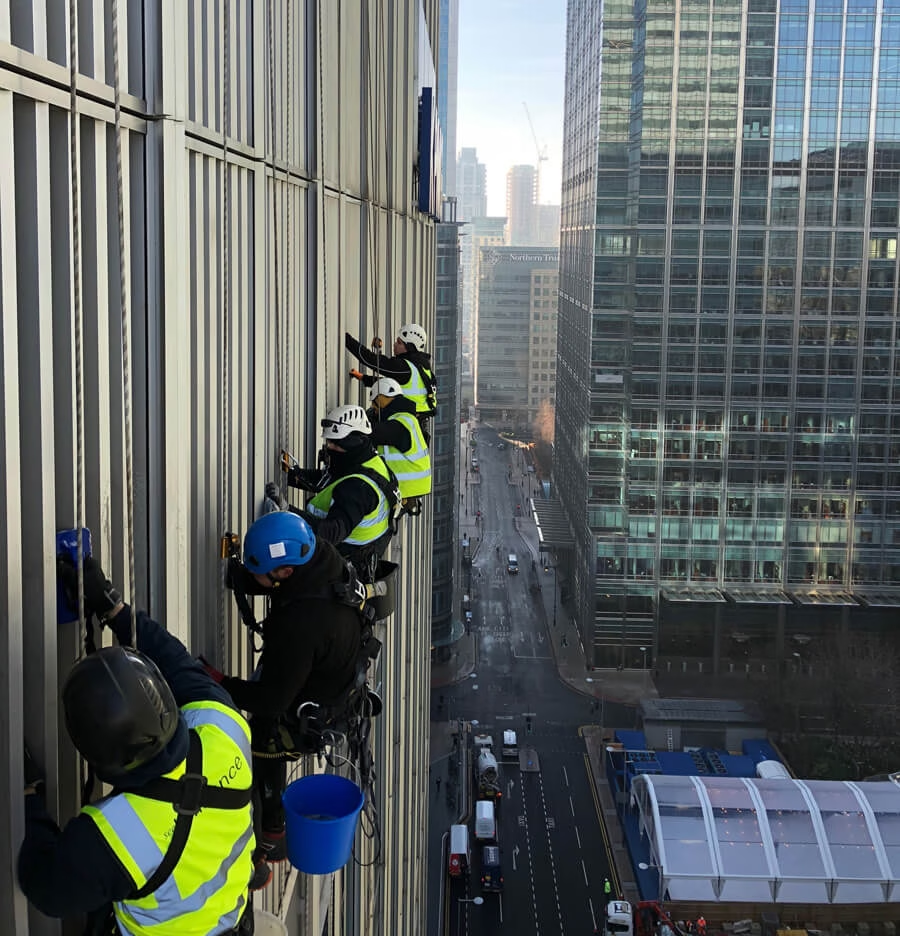
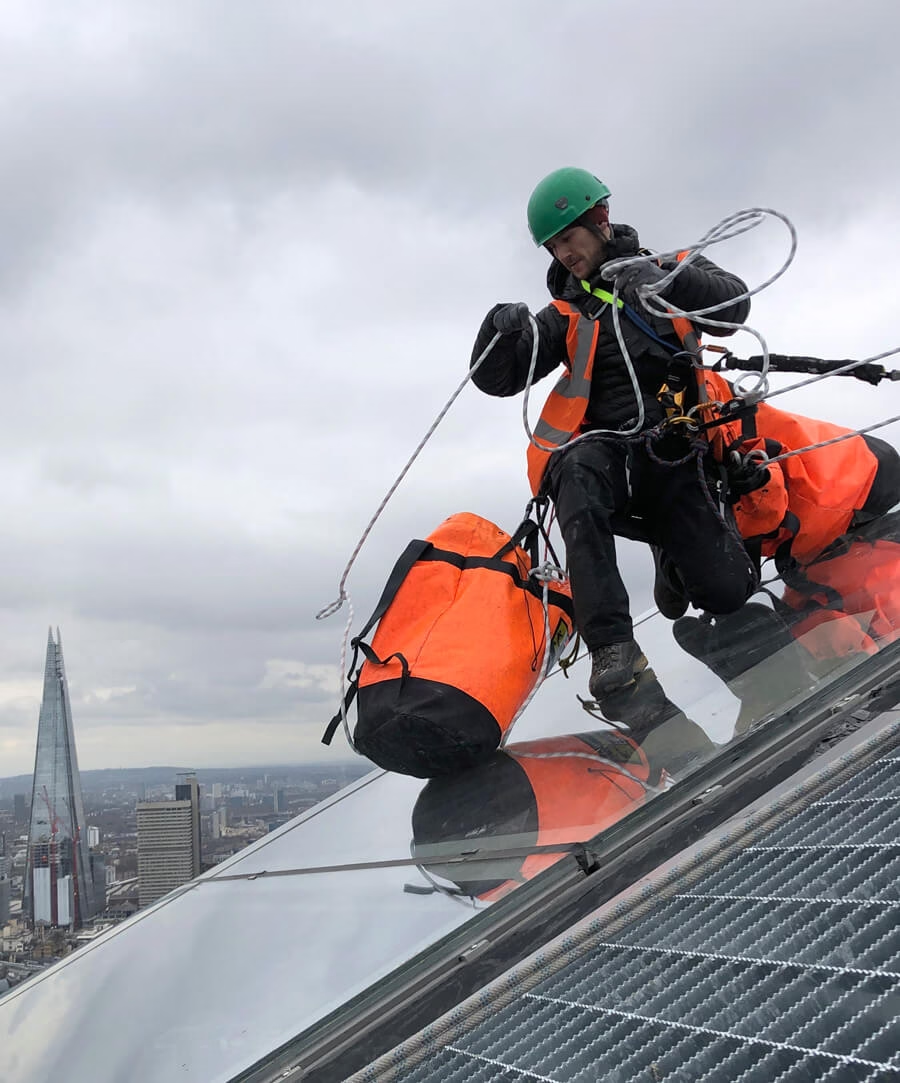
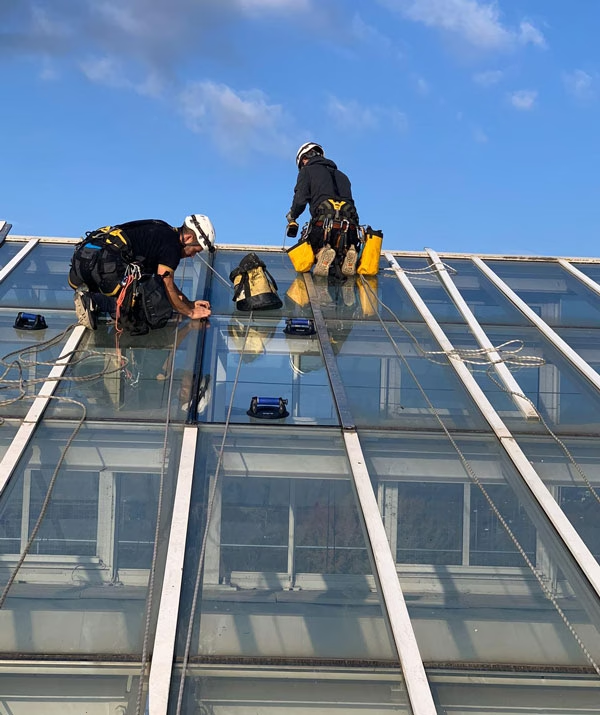
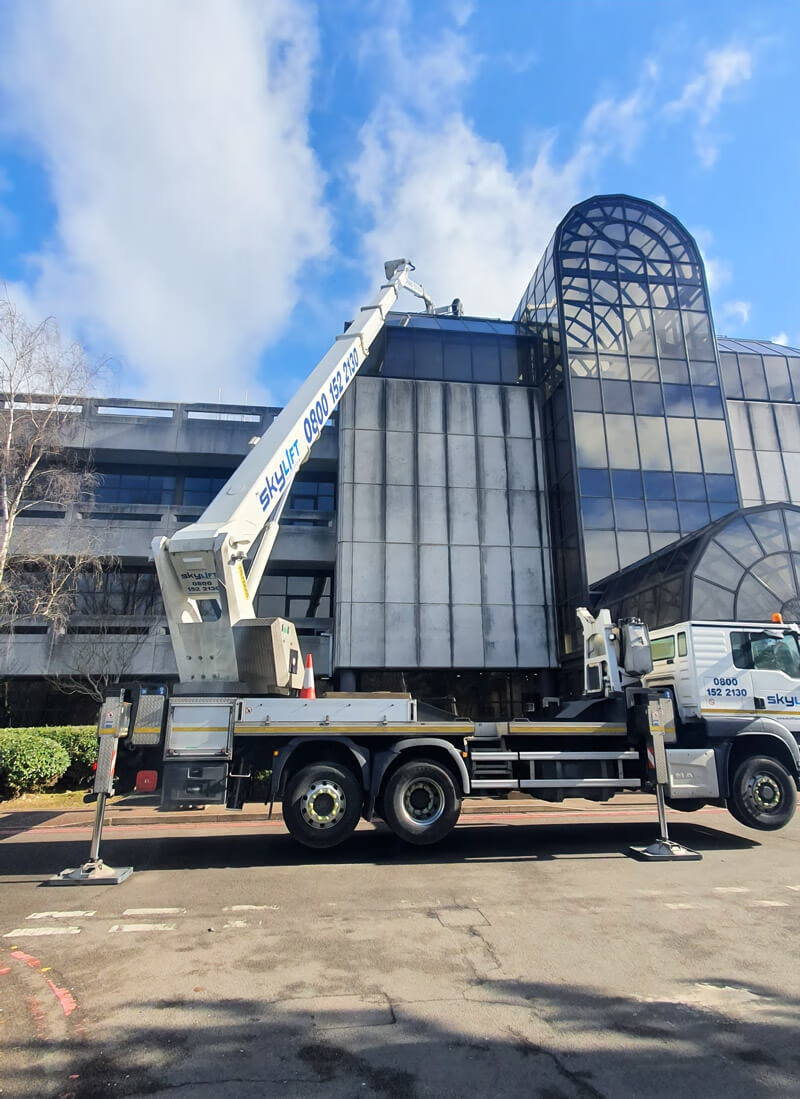
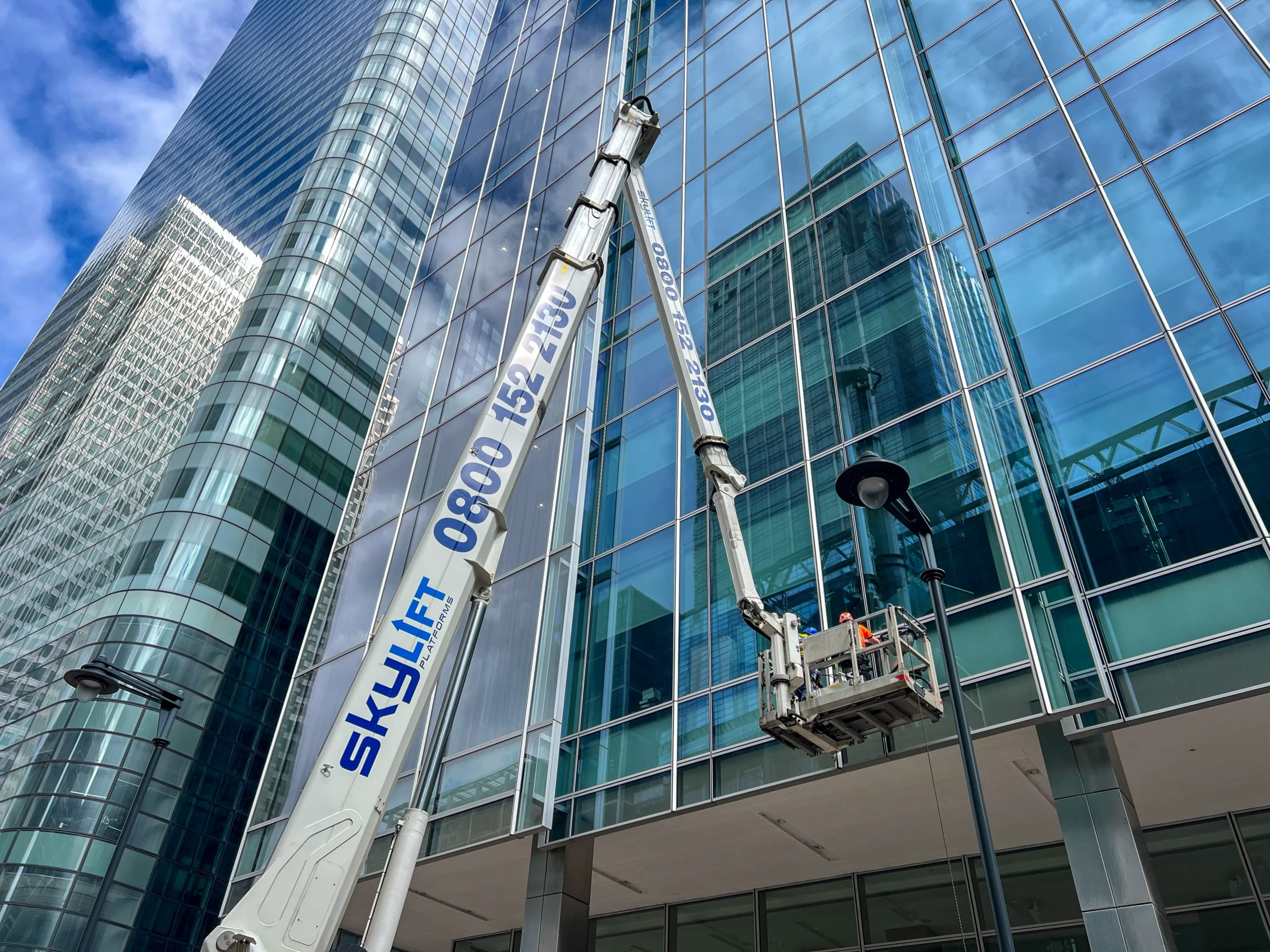
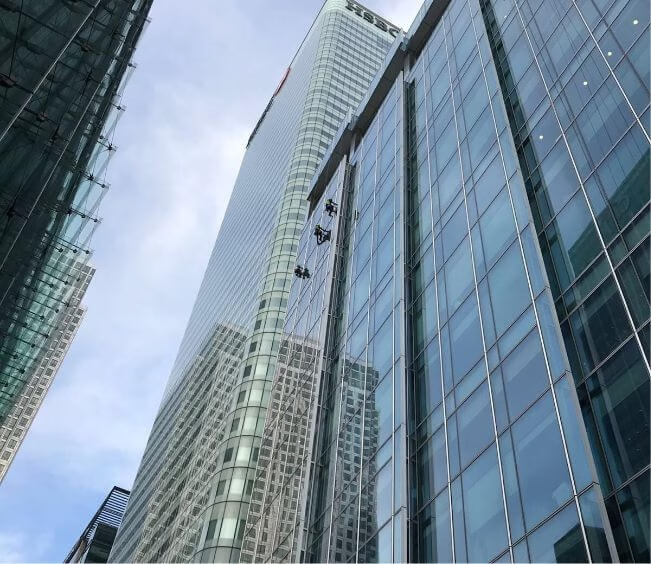
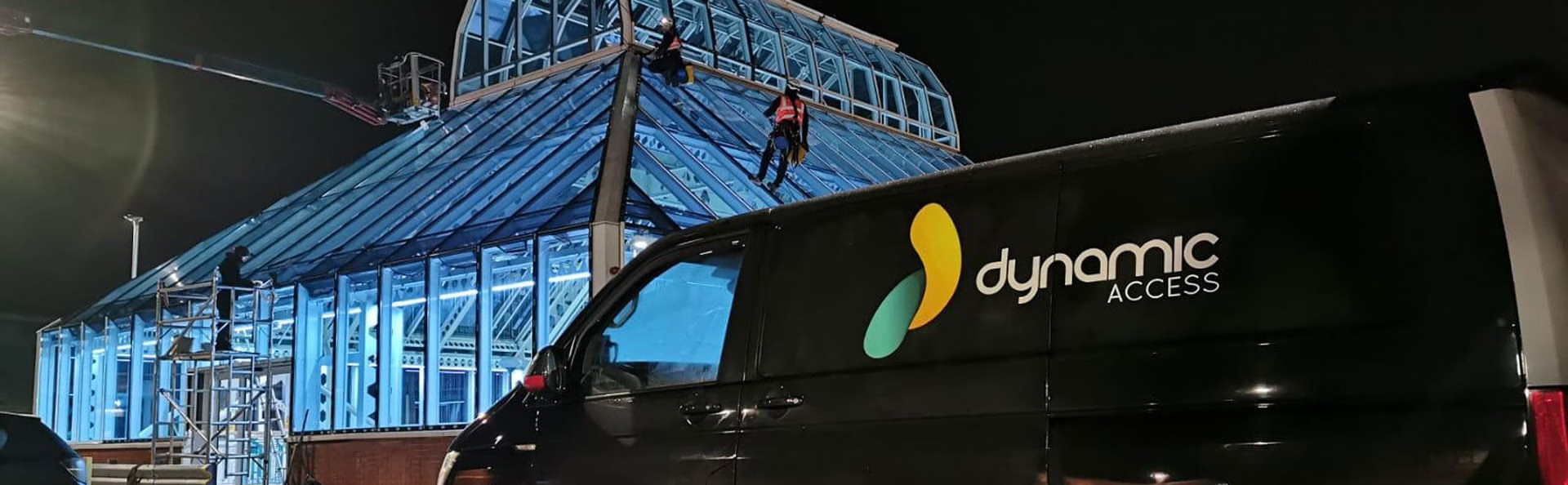
We use IRATA-trained Rope Access Technicians, MEWP operators with IPAF training, or existing gantry and cradle systems. This combination lets us reach almost any glazed structure safely, including curtain walling, mullion and transom systems, and capping details.

Get a Quote

What if your glass fractures unexpectedly?

A number of issues can cause glazing fractures, from poor installation quality to external impact or inclusions within the glass pane. Defective setting blocks or location blocks can also create stress points that lead to cracking. One well-known cause in toughened glass is nickel sulphide inclusion, which can trigger fractures with no obvious external cause. Our team carries out thorough investigations following unexpected glass breakages, looking for thermal stress indicators as well as inclusion-related failure. This includes a visual assessment of the installation quality and testing of the fractured glass for inclusions.

Get in Touch

Glazing Inspections & Glazing Surveys FAQs

How often should glazing be inspected?

Frequency depends on the building’s height, age, footfall, and insurer requirements. Most commercial properties need annual inspections, though high-risk or ageing glazing may need more frequent checks.

What is a glazing condition survey?

A glazing condition survey is a detailed assessment of a glazed structure’s current state. Our surveyors inspect for defects such as cracked panels, failed seals, or non-safety glass. We then produce a photographic report with recommended remedial repairs.

Do I need a glazing survey for insurance purposes?

Many insurance policies require proof that you manage glazing risk, especially at height or overhead. A glazing survey report provides this evidence and can support a claim or renewal.

How long does a glazing inspection take?

This varies with the size and complexity of the structure. A single shopfront might take a few hours. A large atrium or curtain wall facade can take a full day or longer.

What’s the difference between a glazing inspection and a glazing survey?

In practice, people often use the terms interchangeably. A glazing inspection usually refers to the site visit and defect identification. A glazing survey often describes the wider process, including the report and remedial recommendations.

Get In Touch

Get a Free Site Survey

Have a project in mind? Get in touch and we’ll provide a no obligation quote and free site survey.