
Dynamic Access Logo Free Site Survey


Project Snapshot

Location: National Railway Museum, York
Building Type: National Museum and Visitor Attraction
Client: CBRE Managed Services Ltd
Principal Contractor: CBRE Managed Services Ltd
Specialist Glazing Contractor: Dynamic Access (UK) Ltd
Services Delivered: Condition survey, glazing specification, supply and installation of replacement glazing, patent glazing refurbishment, weatherproofing improvements, access strategy development, testing, commissioning and Health & Safety File preparation.
Glazing Specification: 9.5mm Antisun Grey heat-soak tested toughened laminated safety glass.
Access Methodology: IRATA rope access, specialist glazing walkboards, MEWPs, temporary safety netting and existing man-safe systems.
Project Type: Phased overhead glazing refurbishment within a live, publicly occupied museum environment.
Project Duration: 2025 to 2026
Completion Date: April 2026

The Brief

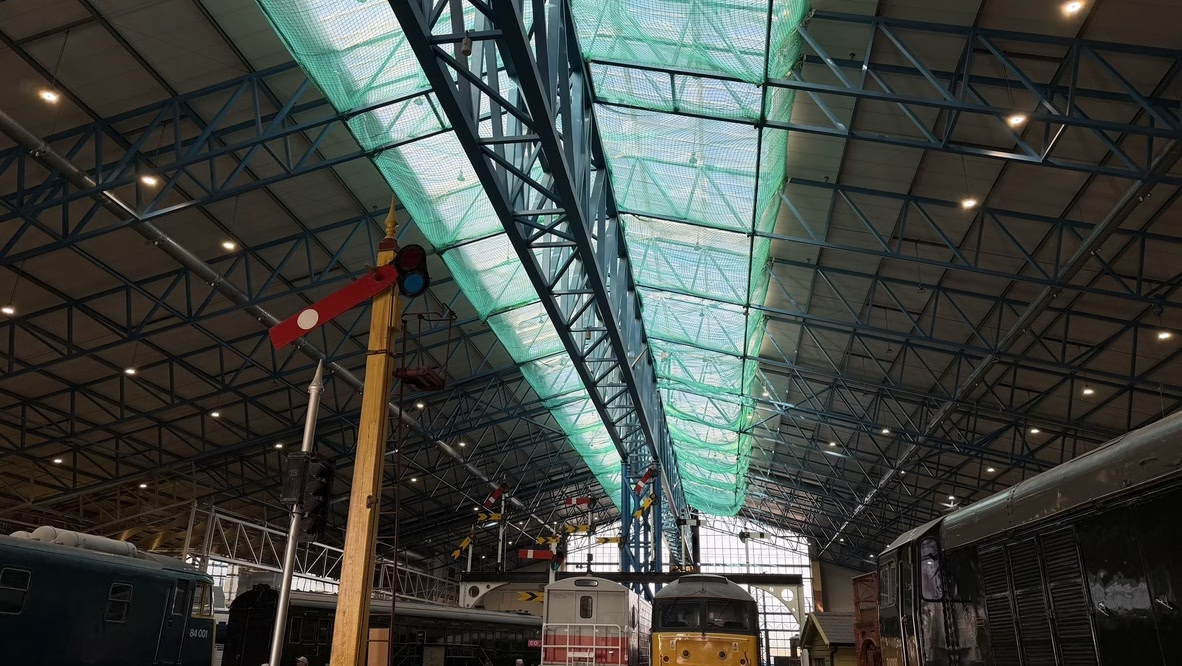
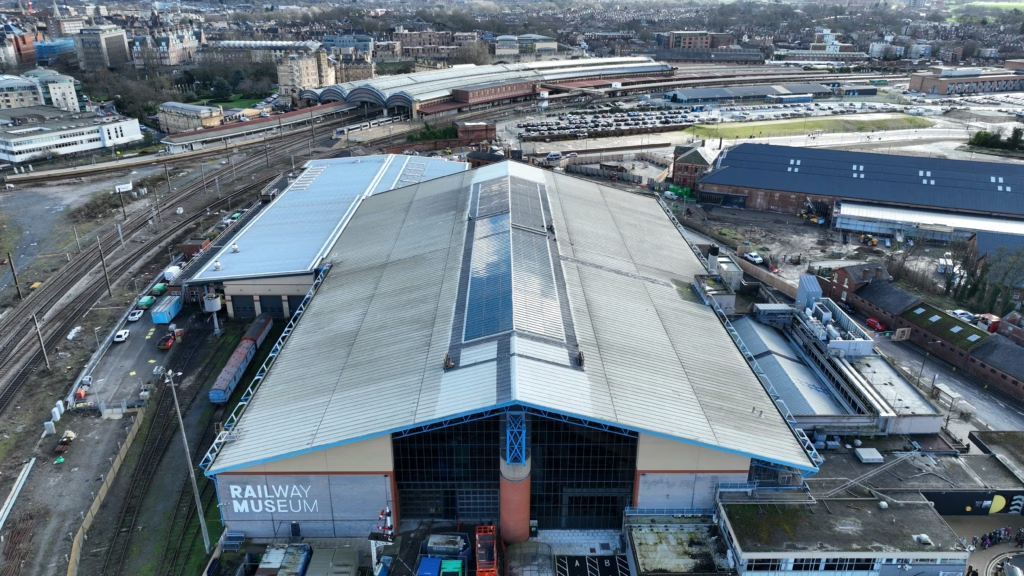
The National Railway Museum’s Great Hall is enclosed beneath a vast patent glazed atrium roof, spanning one of the most significant collections of historic railway vehicles in the world. As part of an ongoing programme of asset enhancement and lifecycle improvement, CBRE appointed Dynamic Access to undertake a comprehensive condition survey of the roof glazing system and subsequently deliver a full glazing replacement and refurbishment package.

Our survey identified that the existing roof comprised ageing 6mm monolithic toughened glass with an Antisun body tint, a specification typical of the period in which the atrium was originally constructed. The project presented an opportunity to upgrade the overhead glazing to a modern laminated safety glass specification, while improving solar control performance and reducing ultraviolet transmission to help protect the Museum’s nationally important exhibits.

Dynamic Access was engaged to develop an appropriate replacement specification, supply and install a complete set of new glazing units, and refurbish elements of the supporting glazing system. A key requirement was that all works be undertaken whilst the Museum remained fully operational, maintaining visitor access and minimising disruption to daily activities beneath the atrium.

The Challenge

This was never intended to be a straightforward like-for-like replacement.

The most obvious contemporary solution to improve solar control would have been a high-performance coated insulating glass unit. However, products of this type are manufactured as sealed double-glazed units, and the existing patent glazing rafters were neither designed nor sized to accommodate the increased thickness, weight and structural loading of insulated glazing.

Replacing the entire supporting glazing structure would have fundamentally altered the character of the Great Hall roof and introduced significant additional cost, programme implications and disruption to the Museum’s operations. Instead, the objective was to work sympathetically with the existing patent glazing system and develop a replacement specification that maximised performance whilst retaining the original supporting framework.

The new glazing therefore needed to satisfy several requirements at once: improved retained-glass performance for overhead glazing in publicly occupied buildings, maintained or enhanced Antisun properties to keep a comfortable environment for visitors and reduce ultraviolet transmission, and full compatibility with the dimensions and load-bearing capacity of the existing patent glazing system.

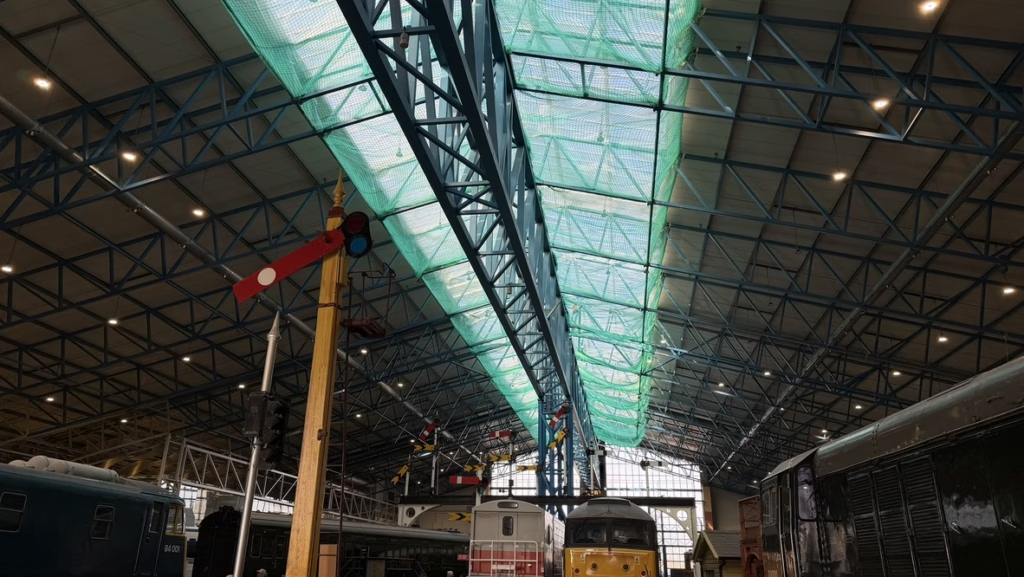
All of this had to be achieved approximately 20 metres above the Great Hall floor, directly above irreplaceable locomotives and exhibits, whilst the Museum remained fully operational and welcoming visitors throughout the works.
Our Solution

After evaluating numerous options, we specified a bespoke 9.5mm Antisun Grey heat-soak tested toughened laminated safety glass, a solution that addressed every aspect of the brief whilst remaining compatible with the existing patent glazing system.

The laminated construction provides significantly enhanced retained-glass performance, comprising two toughened panes permanently bonded by a PVB interlayer. In the unlikely event of breakage, the fragments remain adhered to the interlayer, maintaining the integrity of the panel and greatly reducing the potential for glass to become detached from the roof. Each pane was also heat-soak tested prior to lamination, providing additional quality assurance and reducing the likelihood of spontaneous toughened glass breakage caused by nickel sulphide inclusions.

Retaining the distinctive Antisun Grey appearance of the original roof was an important consideration. By keeping the body-tinted Antisun ply within the new laminated construction, the new specification provides improved solar control and ultraviolet reduction compared with the original single toughened pane, helping protect the Museum’s nationally important collection from prolonged solar exposure whilst maintaining the familiar appearance of the Great Hall when viewed from below.

At a nominal 9.5mm, the new glazing remained compatible with the existing patent glazing framework, allowing the original glazing rafters and retention beads to be retained. This avoided extensive structural alterations and enabled the project to be delivered sympathetically within the constraints of the existing roof. Independent structural calculations were commissioned to verify that the existing rafters had sufficient reserve capacity for the increased glazing weight before any replacement units were ordered.

With the specification agreed, attention turned to the logistics of replacing an entire glazed roof approximately 20 metres above one of the world’s most significant railway collections whilst the Museum continued operating uninterrupted.

Dynamic Access established a welfare and storage compound within the Museum grounds, providing a secure base for materials, plant and personnel throughout the project. Specialist access equipment, glazing lifting apparatus and machine hire were coordinated around Museum operations to keep disruption to visitors to a minimum.

An IRATA glazing team worked systematically across both roof slopes, progressing run by run from purpose-built walkboards spanning the glazing rafters. Existing units were removed with vacuum lifting equipment and transferred to waiting MEWPs, which simultaneously raised the replacement glazing.

Working in parallel, the team installed internal safety netting beneath the glazed area on night shifts, bay by bay ahead of the glazing operations. This carefully coordinated sequence ensured glazing was never delayed waiting for netting, whilst preserving natural daylight within the Great Hall during public opening hours.

Internally, exclusion zones were continually monitored and adjusted by operatives in direct radio communication with the roof team, allowing works to proceed safely whilst public access was maintained. To minimise visual impact within the exhibition space, our operatives worked in discreet company-branded clothing, helping ensure visitors could continue to enjoy the Museum with little indication of the works overhead.

The Outcome

Over the course of the project, 624 glazing units were replaced and the supporting patent glazing system comprehensively refurbished across the entire Great Hall atrium roof, all whilst the National Railway Museum remained fully open and operational to visitors.

Following completion, the roof underwent extensive water testing with no evidence of water ingress, and several historical ingress points identified during the works were investigated, traced and successfully rectified. The completed installation now benefits from improved retained-glass performance, enhanced solar control and increased ultraviolet reduction, helping provide a more comfortable environment for visitors whilst contributing to the long-term protection of the Museum’s nationally significant collection. The glazing units are further supported by a five-year manufacturer’s warranty against delamination, together with a planned preventative maintenance strategy and comprehensive Health & Safety File documentation to assist the Museum’s estates team in the ongoing management of the roof.

The project is an excellent example of where Dynamic Access adds value. Beyond supplying and installing glazing, our involvement extended from the initial condition survey, glazing specification and structural assessment through to logistical planning, welfare and compound establishment, specialist access arrangements, machine hire coordination, glazing installation, weatherproofing refurbishment, testing, commissioning and post-completion support.

Perhaps most importantly, the project showed what genuine collaboration can achieve. It was a pleasure to work alongside the National Railway Museum team, whose support, flexibility and enthusiasm were instrumental in the success of the works. Likewise, CBRE managed the project exceptionally well as Principal Contractor, fostering a cooperative environment in which all parties worked towards a common goal. Combined with the dedication, professionalism and pride shown by our own site team over many months on site, the result is a refurbished Great Hall roof that will continue to serve one of the world’s most celebrated railway collections for many years to come.

For Dynamic Access, being entrusted with the refurbishment of such an iconic structure was both a privilege and a source of immense pride. Projects of this nature are precisely why we do what we do: applying specialist knowledge, careful planning and skilled workmanship to preserve and enhance landmark buildings whilst allowing them to remain fully operational.

For atrium glazing refurbishment, overhead glazing replacement or other technically demanding commercial glazing works across the UK, Dynamic Access delivers carefully planned glazing solutions for landmark structures, public buildings and commercial assets.