 Free Site Survey
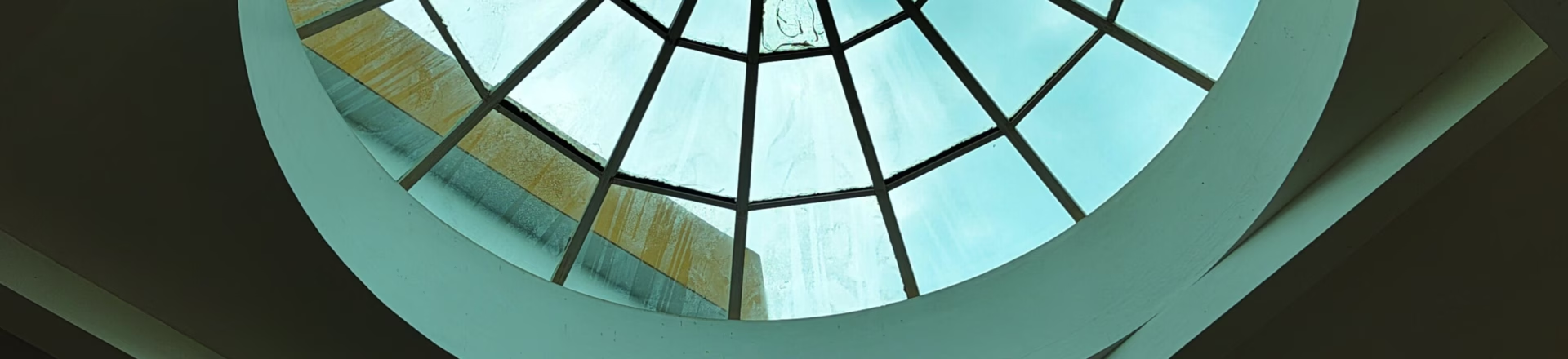
Atrium Glazing Defects to Watch For
Glass atriums look impressive from the ground floor. When maintained well, they flood a building with light and impress every visitor who walks through reception. Left unchecked, small defects turn into safety risks and expensive repairs.
At Dynamic Access, we inspect and repair commercial atrium glazing across London, Manchester, Liverpool, and Leeds. Tall commercial buildings put extra strain on glazed structures, and atriums often sit above busy public areas. Spotting problems early saves money and protects the people below.
Here are seven defects we see most often on site, along with what tends to fix them.
1. Failed Sealant Joints
Sealant around glass panels breaks down over time. UV exposure and weather cycles cause it to crack or shrink. Once a joint fails, water finds a way in. The fix is straightforward: strip the old sealant back and reapply a fresh joint rated for exterior use.
2. Water Ingress and Staining
Water tracking through an atrium roof rarely stays hidden for long. Stained ceiling tiles or damp patches near steelwork are early warning signs. Tracing the source often means checking flashings and drainage systems, not the glass itself.
3. Delaminating Laminated Glass
Laminated glass can develop a cloudy edge or visible bubbling between the layers. This usually points to moisture getting into the interlayer. Once delamination starts, the panel needs replacing rather than repairing.
4. Cracked or Chipped Panels
Thermal stress and impact damage both cause cracks in toughened glass. Building movement adds further risk over time. A hairline crack can spread fast once it starts. Any cracked panel above a public walkway needs urgent attention, not a wait-and-see approach.
5. Corroded Fixings and Brackets
Steel fixings holding glass panels in place corrode faster than most people expect, especially in coastal or exposed city locations. Corrosion weakens the structural connection long before it becomes visible from below. Regular inspection catches this before it turns serious.
6. Misted or Failed Double Glazing Units
A misty patch inside a double-glazed unit means the seal has failed. Trapped moisture between the panes won’t clear on its own. The only real fix is replacing the sealed unit.
7. Poor Drainage Around the Frame
Standing water around glazing frames speeds up every other defect on this list. Blocked weep holes are a common culprit. Clearing drainage paths is quick work, but routine cleaning visits often skip it.
Why Regular Inspections Matter
Most of these defects start small. A missed sealant joint or a blocked weep hole rarely causes drama on day one. Given time and weather, they do.
Buildings across major UK cities carry high footfall beneath their atriums. Facilities managers in London, Manchester, Liverpool, and Leeds all face the same pressure: keep glazing safe without disrupting the building below.
We use rope access for many atrium inspections and repairs. It reaches awkward, high-level glazing without scaffolding towers or long shutdowns. For city-centre buildings, that matters. We document every defect with photographs, so building owners see exactly what’s fixed and why.
Get an Atrium Glazing Survey
If nobody has inspected your building’s atrium recently, now’s a good time to book a survey. Dynamic Access carries out atrium glazing surveys and repairs across the UK’s major commercial centres.